
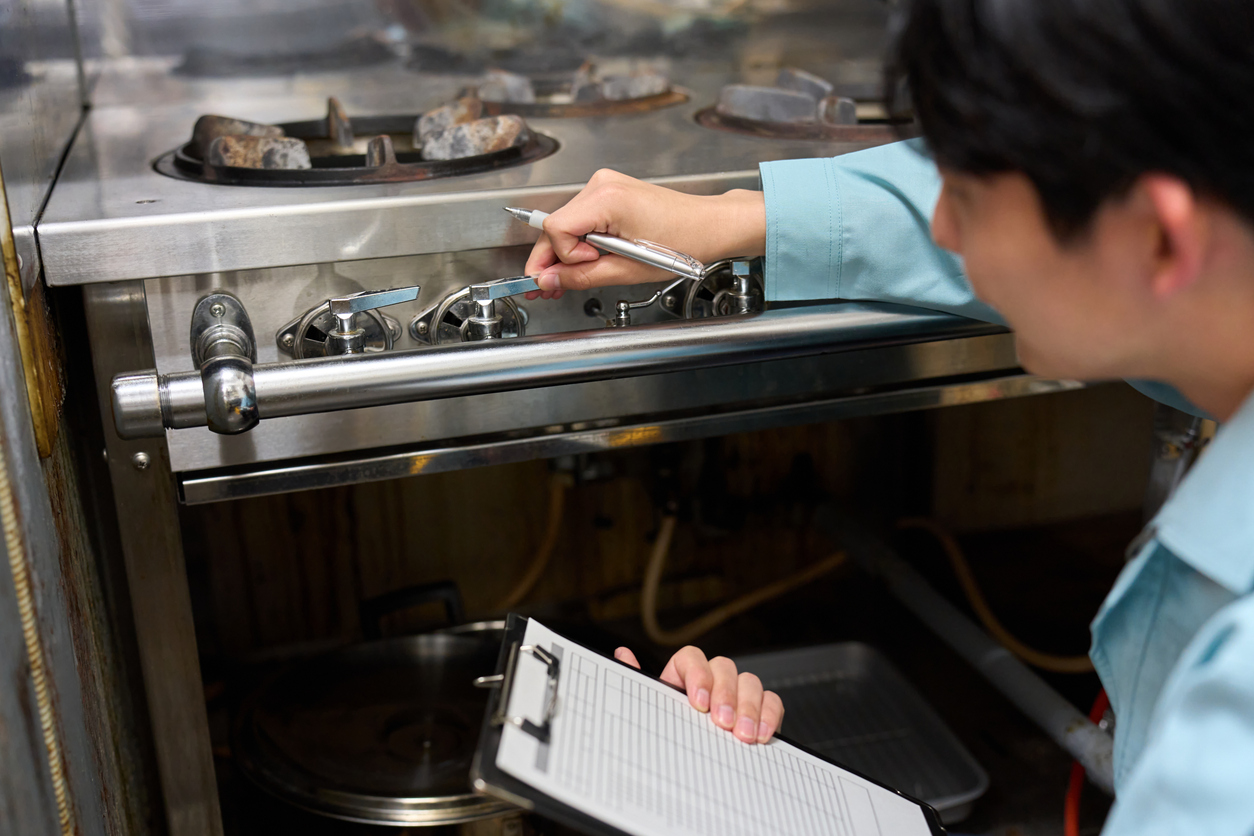
Commercial Kitchen Equipment Maintenance: A Restaurant Maintenance Checklist
Commercial kitchen equipment maintenance involves the routine cleaning, inspection, servicing, and repair of equipment used throughout a restaurant kitchen. Consistent maintenance helps operators reduce repair costs, prevent unexpected downtime, extend equipment lifespan, and support food safety compliance.
In busy restaurant environments, even a minor equipment issue can disrupt operations and impact customer service. A restaurant maintenance checklist helps teams identify problems early and keep critical systems operating efficiently.
This guide outlines practical maintenance tasks by frequency, equipment type, and facility system to help restaurant owners and managers build an effective preventive maintenance program.
Why Commercial Kitchen Equipment Maintenance Matters
Consistent commercial kitchen equipment maintenance helps restaurants operate more efficiently and avoid costly disruptions. When refrigeration, cooking equipment, and other critical systems receive regular attention, operators can identify small issues before they become major repairs.
Proper restaurant kitchen maintenance helps reduce downtime, extend equipment lifespan, improve food safety, and support energy efficiency. Clean equipment typically performs better, consumes less energy, and experiences fewer breakdowns.
Maintenance also contributes directly to profitability. Unexpected equipment failures can lead to lost inventory, interrupted service, emergency repair costs, and dissatisfied customers. Establishing a preventive maintenance routine helps restaurants maintain reliable operations while protecting their investment in equipment.
Benefits of Preventive Maintenance for Restaurants
Preventive maintenance for restaurants focuses on identifying and addressing issues before they result in equipment failure. This approach is often significantly less expensive than emergency repairs and unexpected replacements.
For example, cleaning condenser coils on a refrigeration unit can improve efficiency and reduce strain on the compressor. Addressing a worn door gasket early may prevent temperature fluctuations that could eventually lead to food spoilage.
Regular restaurant equipment maintenance helps operators:
- Detect issues early
- Reduce repair costs
- Minimize emergency service calls
- Improve equipment performance
- Maintain consistent kitchen operations
- Reduce business interruptions
By scheduling maintenance proactively, restaurants can better manage operating costs and avoid unnecessary downtime.
Commercial Kitchen Equipment Maintenance Checklist
A well-organized commercial kitchen maintenance checklist helps restaurant teams stay consistent with maintenance activities throughout the year. The following schedule can serve as a practical framework for preventive maintenance planning.
| Maintenance Frequency | Key Tasks |
|---|---|
| Daily | Clean surfaces, monitor temperatures, inspect for leaks, remove grease |
| Weekly | Deep clean equipment, inspect filters and gaskets, check moving parts |
| Monthly | Clean coils, inspect electrical components, test safety controls |
| Quarterly | Evaluate performance, verify calibration, inspect ventilation |
| Annual | Complete comprehensive preventive maintenance inspections |
Daily Maintenance Tasks
Daily inspections help identify issues before they affect operations.
- Clean food-contact and equipment surfaces
- Monitor refrigeration temperatures
- Check for water or refrigerant leaks
- Inspect equipment for visible damage
- Remove grease buildup from cooking areas
- Report unusual noises or performance issues
Weekly Maintenance Tasks
Weekly maintenance focuses on cleaning and inspecting high-use components.
- Perform deep cleaning of major equipment
- Clean or replace filters as needed
- Inspect refrigerator and freezer door gaskets
- Check hinges, handles, and moving parts
- Verify refrigeration doors close properly
- Remove grease buildup around cooking equipment
Monthly Maintenance Tasks
Monthly maintenance helps support safety, efficiency, and long-term reliability.
- Inspect electrical connections
- Clean refrigeration condenser coils
- Test safety controls and shutoffs
- Verify thermostat accuracy
- Check plumbing connections for leaks
- Review maintenance logs for recurring issues
Quarterly Maintenance Tasks
Quarterly reviews help evaluate overall equipment performance.
- Perform equipment performance evaluations
- Verify calibration of temperature controls
- Inspect ventilation and exhaust systems
- Check mechanical components for wear
- Review energy efficiency trends
- Schedule professional inspections when needed
Annual Maintenance Tasks
Annual service should include a comprehensive review of all major kitchen systems.
- Schedule preventive maintenance service
- Perform major equipment inspections
- Replace worn belts, seals, and gaskets
- Test safety systems and controls
- Review equipment performance history
- Plan repairs and future equipment replacements

Kitchen Equipment Maintenance Checklist by Equipment Type
Different types of equipment require different maintenance priorities. The following checklists highlight key items operators should monitor regularly.
Commercial Refrigeration Equipment
Commercial refrigeration equipment should be monitored regularly to maintain food safety and prevent costly breakdowns.
- Temperature consistency
- Door gaskets and seals
- Condenser coils
- Airflow restrictions
- Frost buildup
- Drain lines and leaks
- Unusual noises or vibrations
Neglected refrigeration maintenance can increase energy costs and lead to food spoilage. Restaurants should schedule routine service for Commercial Refrigeration and Commercial Freezers to help keep systems operating efficiently.
Commercial Cooking Equipment
Commercial cooking equipment requires regular inspections to maintain performance, safety, and food quality.
- Burners
- Thermostats and temperature controls
- Heating elements
- Gas connections
- Grease buildup
- Knobs, switches, and controls
- Signs of uneven cooking
Routine service for Commercial Cooking Equipment can help reduce downtime and maintain consistent kitchen output.
Dishwashers and Ice Machines
Dishwashers and ice machines support sanitation and food safety throughout the restaurant.
- Water filters
- Spray arms
- Water temperatures
- Drainage systems
- Scale buildup
- Ice quality and production
- Cleaning and sanitization schedules
If performance issues develop, professional maintenance may be necessary to restore reliability and maintain sanitation standards.
Restaurant Facility Maintenance Items to Include
Restaurant facility maintenance extends beyond kitchen equipment and should include the systems that support daily operations.
Operators should routinely inspect HVAC systems, ventilation equipment, exhaust hoods, plumbing infrastructure, and electrical systems. Problems in these areas can affect kitchen temperatures, employee comfort, equipment performance, and safety.
Preventive maintenance should include:
- HVAC inspections and filter replacement
- Ventilation and exhaust system cleaning
- Plumbing leak detection
- Electrical system inspections
- General facility safety reviews
Including Commercial HVAC service as part of a maintenance program helps support overall kitchen performance and reliability.
When to Schedule Professional Restaurant Equipment Maintenance
While daily and routine inspections can be performed in-house, certain issues require professional attention.
Schedule professional service if you notice:
- Temperature fluctuations
- Water leaks
- Unusual noises
- Inconsistent cooking performance
- Rising utility costs
- Frequent equipment breakdowns
- Refrigeration performance issues
Professional maintenance helps identify root causes before they lead to equipment failure. Restaurants experiencing recurring issues should consider scheduling Commercial Restaurant Repair service to minimize downtime and prevent larger repair expenses.
Partner With Quick Servant for Commercial Kitchen Equipment Maintenance
A proactive commercial kitchen equipment maintenance program helps restaurants improve reliability, reduce repair costs, and extend equipment lifespan. Routine inspections and preventive maintenance can significantly reduce the risk of unexpected downtime.
Quick Servant provides commercial refrigeration service, commercial freezer repair, commercial cooking equipment repair, restaurant equipment maintenance, and commercial HVAC service throughout Maryland, Virginia, Delaware, and Washington, D.C.
Whether you need preventive maintenance, equipment repairs, or ongoing service support, Quick Servant helps restaurants keep critical systems operating efficiently. Schedule your next service today.
Frequently Asked Questions
What is commercial kitchen equipment maintenance?
Commercial kitchen equipment maintenance refers to the routine cleaning, inspection, servicing, and repair of restaurant equipment to ensure safe, efficient, and reliable operation.
How often should restaurant equipment be maintained?
Restaurant equipment should follow a structured schedule that includes daily, weekly, monthly, quarterly, and annual maintenance activities. The exact schedule may vary based on equipment type and usage levels.
What should be included in a restaurant maintenance checklist?
A restaurant maintenance checklist should include equipment cleaning, temperature monitoring, refrigeration inspections, cooking equipment checks, HVAC maintenance, plumbing inspections, electrical system reviews, and scheduled professional service visits.